
Associate Professor of Economics at Ashoka University, India.
Filter by
Sort By
Others
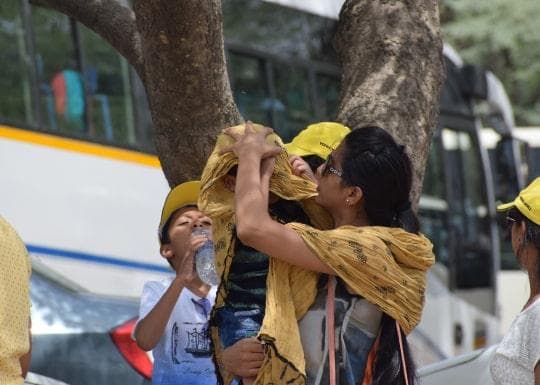
There is a growing body of evidence on how early-life shocks have a significant bearing on long-term human capital formation (Almond and Currie, 2011; Currie and Vogl, 2013). However, there is a limited understanding of the relationship between early-life climate shocks and the prevalence of non-communicable diseases, particularly in the context of developing countries (Cheng et al., 2023; Chang et al., 2022; McEniry, 2013). This project aims to address this critical gap by investigating the causal relationship between early-life climate shocks (in particular, temperature shocks) and the likelihood of developing non-communicable diseases in later life.
Unlike rainfall shocks, which have been extensively studied (Carrillo, 2020; Chang et al., 2022; Shah and Steinberg, 2017), there is limited research on understanding the effects of temperature shocks on later-life health outcomes (Wilde et al., 2017; Hongoli and Hahn, 2023). In this project, we examine how early-life exposure to heat and cold shocks and temperature vulnerability affect long-term health outcomes for adult men and women in India. Further, we aim to investigate if these effects are gendered in nature.
The rise in the prevalence of non-communicable diseases is a significant concern not only for developed countries but also for developing countries, which are grappling with the dual burden alongside malnutrition (Popkin et al., 2020; Tzioumis and Adair, 2014; Gowshall and Taylor-Robinson, 2018; Herbert et al., 2012; Bhagyalaxmi et al., 2013). In these regions, where undernourishment is common, individuals are increasingly developing lifestyle-related diseases later in life (Winicha-Goon and Margetts, 2017). In 2021, the global prevalence of anemia was 24.3%, affecting approximately 1.92 billion people. India has the highest rate of anemia prevalence worldwide, with over 300 million women, or half of the total female population, affected by the condition (Dasgupta et al., 2023; Collaborators et al., 2023; Chaparro and Suchdev, 2019). Anemia particularly affects women of reproductive age, exacerbating problems associated with morbidity and mortality, reducing work productivity, and impeding neurological development (Chaparro and Suchdev, 2019).
Our study uses data from the National Family Health Survey (NFHS), specifically rounds IV (2015-2016) and V (2019-2021) which collects information on various lifestyle-related diseases, including diabetes, anemia, hypertension, cancer, and heart disease. We focus on individuals aged 15-49 years in India, with a particular emphasis on conditions like diabetes and anemia, which are major concerns areas of public health in the country. In addition, we make use of the granular data on climate shocks sourced from the Indian Meteorological Department (IMD), containing monthly minimum and maximum temperatures from 1951 to 2016 for each district in India.
Our preliminary findings indicate that early-life exposure to maximum temperature shocks significantly increases the risk of mild to severe anemia, particularly in males. Furthermore, we find that men are more likely to develop diabetes if they are exposed to minimum temperature shocks early in life, especially when they are middle-aged (30–49 years). In contrast, we find a higher incidence of diabetes with maximum temperature shocks in older females (45–49 years).
In the context of increasing climate vulnerability and morbidity in developing countries, understanding the causal link between temperature shocks and health outcomes is crucial for policymakers. The identification of susceptible groups and the causal impacts of temperature shocks on nutrition and long-term health can facilitate the formulation of targeted policies aimed at mitigating the adverse effects of climate change on long-term health.
08 August, 2024
Subscribe to our newsletter
Subscribe to our newsletter
©2024-25 Isaac Centre for Public Policy